“Dare to be reverent” is found within the Introduction by Evelyn Underhill in The Cloud of Unknowning. What does “reverent” mean anyway? It sounds rather old fashioned and formal, but within the context of that sentence, it sounds almost like a Nike commercial – a confident-inspiring command. “Reverent” means to show or feel deep respect, and synonyms include awe, wonderment, and adoring. A more modernized sentence would be “Dare to be awesome.” Yet that sounds too common and trendy. We hear the term awesome so much its meaning has become numb to us. Reverence may cause a pause because we are not so used to hearing it. And this pause is exactly what we need.
Opportunities for reverence are freely and generously provided by nature as long as we pause long enough to see them or at the very least, put ourselves out in nature.
Feelings of awe and wonder have the ability to push out fear and open us up. One evening while walking through a forested area, thoughts of fear and worry filled my mind and internal dialog. I had agreed to something but then was having second thoughts regarding if I could actually do it or not, what others may think, and how I would have the time to fit it into my busy schedule. Although I was walking through a wooded area, I did not see the trees around me, the moss and leaves beneath my feet, or the stream flowing nearby. I was blinded by my own fears.
The sound of flapping wings jolted me out of my head. I looked up to see a mostly white-colored red tail hawk landing on a tree branch just ahead of me. It had a few brown feathers on its back and wings, but was predominately white. We do not have many white-colored birds around here, and while I had seen this hawk once before, it was on the opposite side of a field at a far distance and years ago.
The moment I saw it, all fear was gone and I was filled instantly with awe and wonder and excitement and openness to life. This unique bird was so beautiful and rarely seen. There was simply no room for fear or worry. I took the time to stand there watching the hawk as it sat perched on a branch. It then flew to another tree a bit further away, and then another even further in the distance, until I could not see it any more. With each of its movements I was able to see even more details of its unique colors. It was the same size as a typical red-tailed hawk, the eyes were dark, and a couple of brown feathers were on top of its head, a few more along the back, and several scattered within its outstretched wing, but otherwise, the remainder of feathers were a beautiful, clean white color. I was fixated on this bird and can still see it in my memory months later. Not only is the image imprinted to my mind, but also the feelings and experience are still with me. I can think back to the occasion and remember that feeling and how fear instantly evaporated because the wonderment completely filled every instidial space within my being.
I later looked up white-colored red tailed hawks and found out that it is referred to as a leucistic red tailed hark. Being mostly white is a genetic condition that affects a few individuals in the species. It is not albino, which is characterized as all white with non-brown eyes.
Although this white hawk was a rare sighting, nature is full of events and gifts of wonder every day.
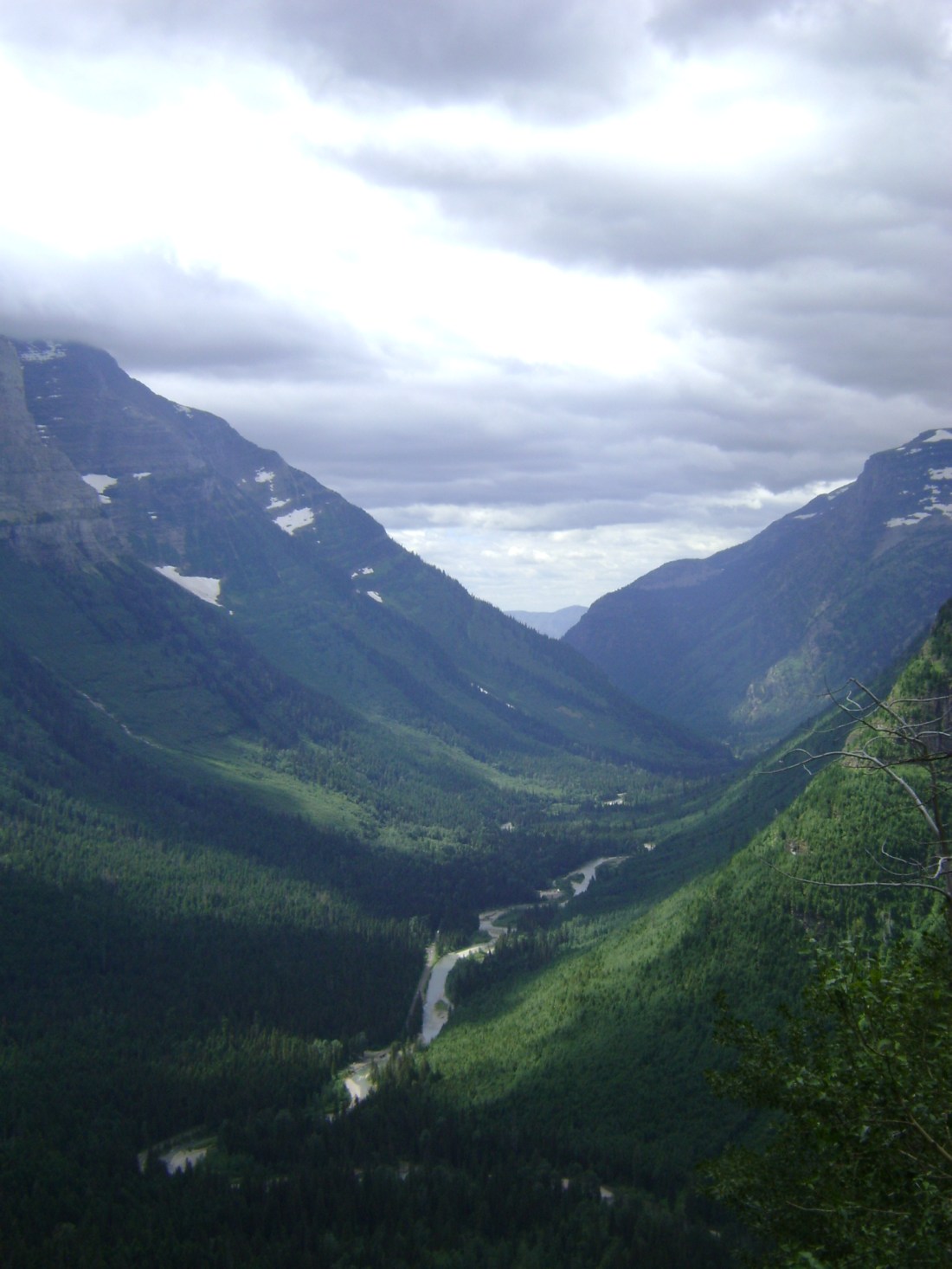
This feeling of openness that we can experience in nature is quite different than what we encounter in our every-day lives. Traffic, emails, and deadlines often have the opposite effect and cause us to close up either in fear, anxiety, or feelings of being overwhelmed. While the feeling of awe is often fleeting, we can encourage the openness that accompanies it to stay and to be experienced a tiny bit more for days or years afterward. We can practice seeing everyday sites with wonder – a flower in bloom, a sunrise, or the many colors present on a dead leaf. Sometimes it is helpful to see these grand things – a white hawk, magnificent mountains, freshly fallen snow on pines – to help get us back on track. We can seek these out or be surprised. They are especially helpful when our mind has run off with worry and fear and obsessions. The primary ingredients for wonderment are slowing down and looking in awareness at something of interest.
Wonder helps us develop relationship with other people, with animals, and the bigger picture. It can plunge our soul into aliveness and gladness. Even if just for a moment, our attention and way of thinking shift. We can cultivate this shift so that it comes more frequently and easily.
We are suffering from a lack of wonderment as a society, a loss of sacredness for the natural world, which spills over into all facets of our life. Without wonderment and a sense of sacredness, we view nature as an object for our benefit or as something hindering our progress or goals. We suffer from a loss of relationship with the rest of the world – nature, animals, other people, and God. Wonderment is a practice that spills over into all facets of life.
What does a life of wonderment look like? Curiosity, openness, acceptance, praise, thankfulness. Awe and wonder can make us feel connected to the whole, a part of something larger, aliveness that springs up from deep within the soul. Wonderment can be a practice on the path of transformation. Wonder cultivates expansiveness, and generates praise.
One of the greatest contributors to experiencing wonder is to slow our bodies and minds down. Wonder surrounds us but we often can’t see it if we are not looking.
(image: many seek out dramatic mountains for awe-inspiring views)
 Nature is Sacred